
Ares On CPA

General News

Understanding Electric Boilers and Their Benefits

Introduction

Electric boilers are becoming an increasingly popular choice for both residential and commercial heating needs. As the UK moves towards cleaner energy solutions, many homeowners and businesses are exploring alternatives to traditional gas or oil systems. Electric boilers provide an efficient, reliable, and environmentally friendly way to generate heat, making them a compelling option in today’s energy-conscious world.

How Electric Boilers Work

An electric boiler functions by using electricity to heat water, which is then circulated through radiators, underfloor heating, or a hot water cylinder. Unlike gas or oil boilers, there is no combustion process involved, meaning there are no flue gases or emissions to manage.

The absence of moving parts such as burners or pumps in certain designs also makes electric boilers quieter and often more compact than traditional systems. They can be installed in smaller spaces, making them ideal for properties where size and noise are a consideration.

Advantages of Electric Boilers

One of the main benefits of electric boilers is their high efficiency. Since almost all the electricity consumed is converted into heat, there is minimal energy wastage. This results in lower running costs in some cases, particularly for well-insulated properties.

They are also far simpler …
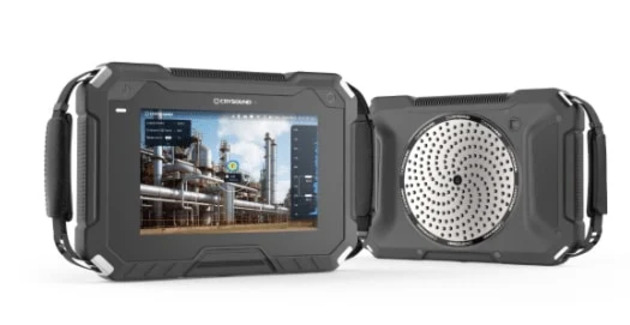
Understanding Acoustic Cameras and Their Role in Sound Analysis

Sound plays a critical role in many industries, from manufacturing to automotive engineering. The ability to not only measure but also visualise sound can provide engineers and technicians with valuable insights for improving product performance, safety, and user comfort. This is where the acoustic camera comes into play. By transforming sound into a visual representation, it allows for rapid identification of noise sources and helps guide effective solutions.

What is an Acoustic Camera?

An acoustic camera is a specialised device that uses an array of microphones combined with advanced software to locate and visualise the origin of sounds. The data it collects is processed to produce an image or video, where colours or patterns indicate the intensity and position of the noise. This enables users to “see” sound in real time.

Unlike traditional sound measurement tools that provide only numerical data, an acoustic camera adds a spatial dimension to noise analysis, making it easier to detect specific problem areas. Whether it’s a rattling panel in a car or an air leak in a piece of machinery, the technology makes identifying sources far more efficient.

How Acoustic Cameras Work

Acoustic cameras operate by using beamforming technology. Multiple microphones capture sound waves, …

An Introduction to Shot Blast Media: Uses, Benefits and Selection

Shot blast media is a key component in the surface preparation process used across multiple industries. From manufacturing and construction to automotive and aerospace, the choice of blasting media has a direct impact on the quality of the finish, the efficiency of the process, and the longevity of the treated surface. Understanding what shot blast media is, how it works, and the factors that influence its selection is essential for achieving optimal results in any blasting operation.

What is Shot Blast Media?

Shot blast media refers to the abrasive particles used in a blasting process to clean, prepare, or finish a surface. These particles are propelled at high velocity onto the target material, removing contaminants such as rust, scale, old coatings, or other surface imperfections. The process not only cleans the surface but can also improve its texture, making it more suitable for coatings, painting, or other treatments.

There are many types of blasting media, each offering unique characteristics. Some are designed for aggressive cleaning and heavy-duty applications, while others are gentler, suitable for delicate surfaces.

Types of Shot Blast Media

The choice of shot blast media depends on the application and desired finish. Common options include:

Steel Shot – …

The Glamorous World of Show Business Depends on Celebrity Protection Training to Safeguard Its Stars

Celebrities face complete visibility in today’s society, experiencing an unprecedented level of exposure. From red carpet events to exclusive gatherings and everyday outings, they may encounter both enthusiastic supporters and unwanted attention. These high-profile individuals rely on dedicated security teams, trained through celebrity protection training, to provide continuous, behind-the-scenes protection.

Celebrity protection training is a specialized branch of executive protection training, tailored to the unique demands of the entertainment industry. It equips security professionals with the tools to maintain privacy and safety for celebrities, blending seamlessly with their public and private lives.

The Rise of Celebrity Protection: More Than Just Bodyguards

The classic image of a bodyguard—large, intimidating, and suited in black—doesn’t reflect the complexity of modern VIP security. Today’s close protection agents are highly trained professionals who combine tactical skillsets with discretion, emotional intelligence, and legal knowledge.

Key skills developed through celebrity protection training include:

  • Recognizing and assessing unique threats facing public figures
  • Managing crowds and media while maintaining poise
  • Responding effectively under pressure
  • Protecting both physical safety and public image through subtle behavior

What Does Celebrity Protection Training Look Like?

The curriculum designed for protecting Hollywood stars and influencers covers:

1. Situational Awareness and Threat Detection

Trainees learn …

The Benefits and Applications of Modern Blasting Techniques in Industrial Settings

Blasting techniques have evolved dramatically over the past few decades, with innovation leading to greater precision, efficiency, and safety. These methods are essential in various industries, from automotive and aerospace to construction and manufacturing. Among the most effective modern methods is surface blasting, a technique used to clean, polish, or prepare materials for further processing.

This article explores the different types of blasting technologies, their benefits, and the growing relevance of specific methods like vapour blasting in achieving high-quality results.

Understanding Surface Blasting Technologies

Surface blasting is a mechanical process used to remove surface contaminants, such as rust, paint, or scale, or to texture a surface for better coating adhesion. Traditional blasting techniques often use abrasive media propelled at high speeds using air or water pressure.

The most common types include:

  • Sandblasting: Utilises sand or similar abrasive particles. It’s cost-effective but can be harsh on surfaces.
  • Shot blasting: Involves steel beads or shots to clean or strengthen metal surfaces, commonly used in heavy-duty applications.
  • Bead blasting: Uses glass beads to create a smooth finish, particularly on softer metals.
  • Soda blasting: Applies sodium bicarbonate, offering a gentler clean ideal for delicate surfaces like chrome or soft metals.